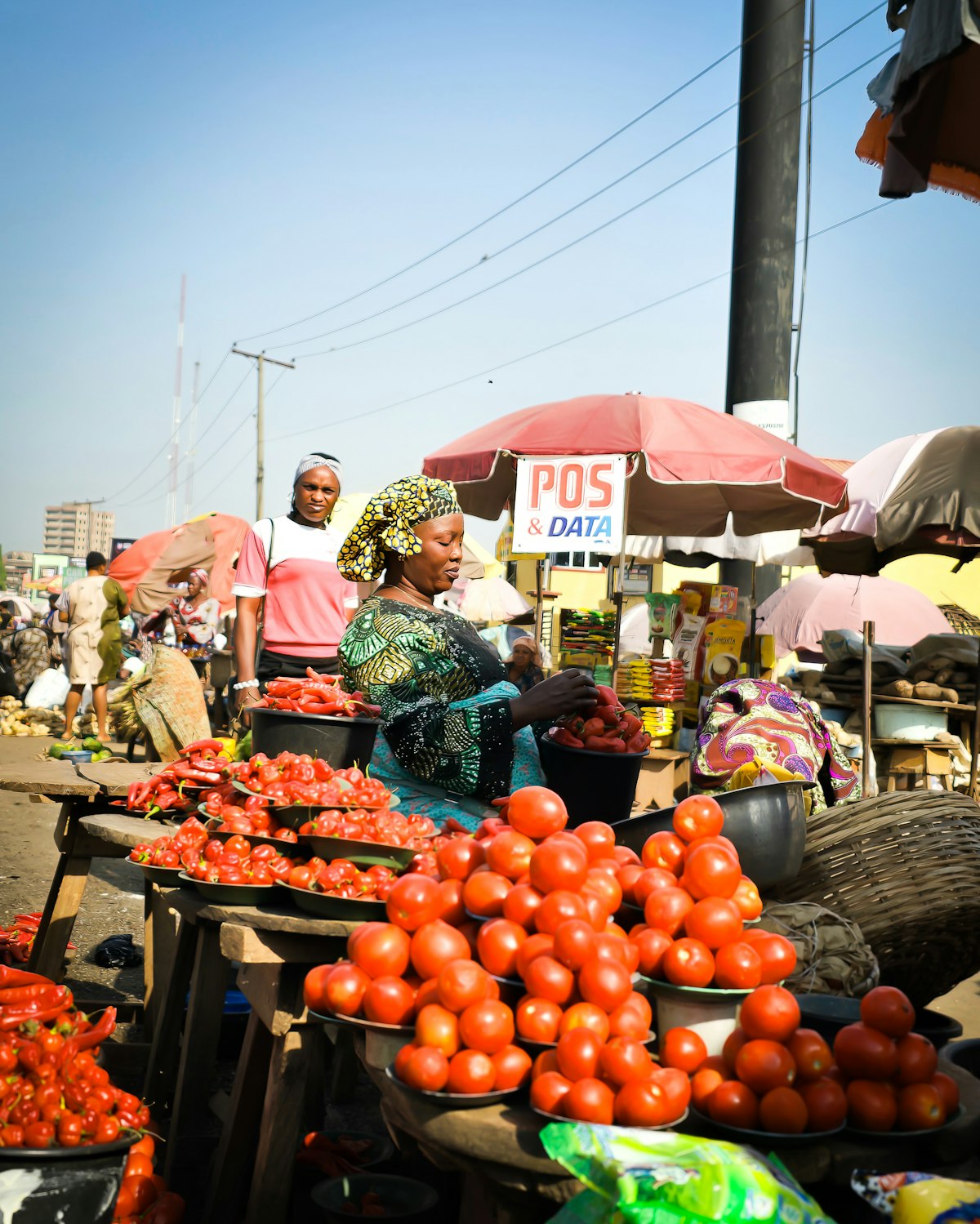
Eating well as a student is widely believed to be impossible — a luxury for people with salaries. The belief is wrong. What's true: eating well without a plan is impossible. The market punishes improvisation and rewards strategy.
Here's the strategy, with real prices from real Nigerian markets.
Know your numbers
As of the latest market surveys (NBS, March 2026), the staples that matter to students cost roughly:
- Brown beans: about ₦1,300 per kg
- Garri (white, loose): about ₦800 per kg
- Eggs: about ₦6,100 per crate of 30 — roughly ₦200 per egg
- Rice: the expensive friend — local rice has surged past ₦2,000/kg equivalent in many markets
Notice something? The most nutritious items on that list are not the most expensive. Beans — protein-dense, filling, endlessly versatile — cost a fraction of what rice costs right now. The market is literally paying you to eat better.
The student food pyramid (realistic edition)
The foundation: beans. Once or twice daily in any form — porridge, akara, moi moi, beans-and-garri. Protein for muscle and brain, fibre that keeps you full through a two-hour lecture, iron for energy. The single best naira-to-nutrition ratio available.
The reliable middle: eggs. One or two a day. Complete protein, brain-supporting choline, and they upgrade any meal — noodles, rice, bread — from carbs-only to something that actually sustains you.
The energy layer: garri, yam, sweet potato. Honest carbohydrates at honest prices. Garri at ₦800/kg remains the people's fuel. Pair it with groundnut and you have the time-tested student lunch that built generations of graduates.
The protectors: whatever vegetables are cheapest this week. Ugu, waterleaf, ewedu, garden eggs, tomatoes in season. Don't romanticise specific vegetables — buy whatever is abundant, because abundant means cheap and fresh. A handful of greens thrown into beans or stew covers micronutrients that no carb can.
Five moves that stretch the money
- Cook in batches. Soup or stew made once, portioned, lasts days and kills the daily temptation of ₦1,500 takeaway.
- Shop the evening market. Sellers discount perishables before closing. The 6pm tomato price is not the 9am tomato price.
- Join a bulk-buying alliance. Four roommates splitting a half-bag of beans and a bag of garri pay wholesale prices on a retail budget.
- Respect the season. When maize floods in, eat maize. When mangoes rain, eat mangoes. Seasonal = cheap = peak freshness.
- Drink water, not your budget. The ₦300-per-day soft drink habit is ₦9,000 a month — a third of someone's rent — converted into sugar.
A realistic day, costed
- Morning: akara + pap, or two boiled eggs + bread — ₦500–700
- Afternoon: beans porridge with palm oil and whatever greens — ₦600–800
- Evening: garri + groundnut, or yam + egg sauce — ₦400–600
Call it ₦1,500–₦2,000 a day for three real meals — less with batch cooking and bulk buying. That's not deprivation; plenty of students spend more than that eating worse.
Eating well on a student budget isn't about money you don't have. It's about strategy you can start using at the very next market run.
Got a budget meal that deserves fame? Send it to the editor — we're compiling a student cookbook.